
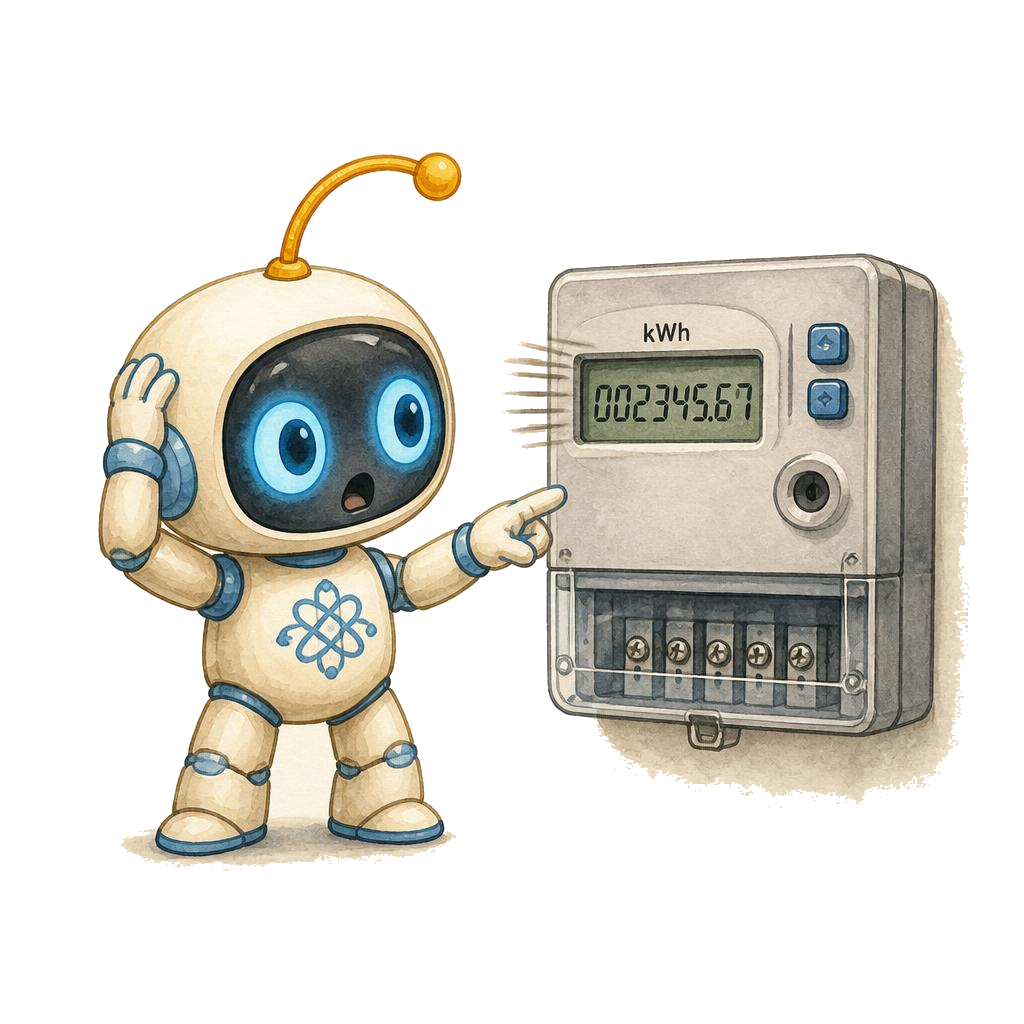
What is cloud computing? Think of your electricity meter.
Where do your photos actually go? Where are your WhatsApp messages stored? By the end of this article, you can explain cloud to a ten-year-old, or to anyone who has ever paid an electricity bill.
Why this matters
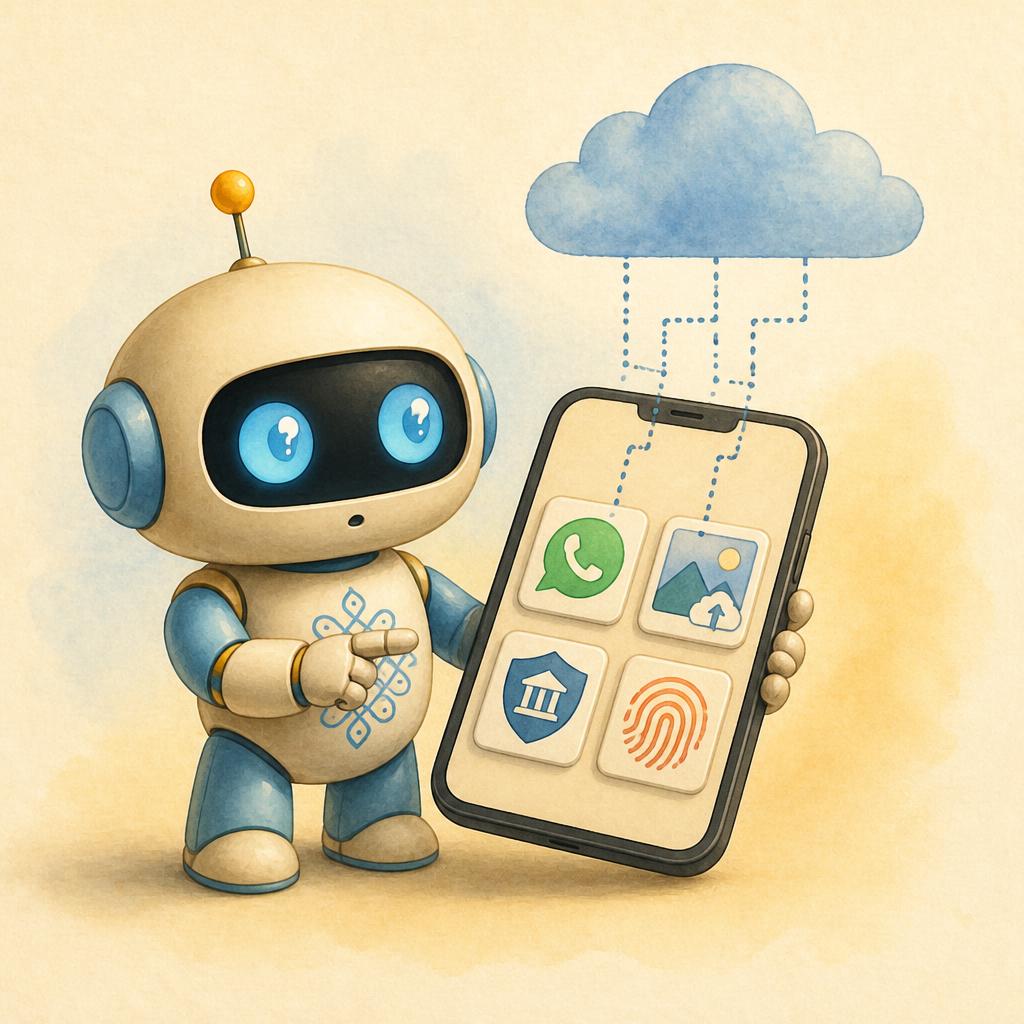
Right now, hundreds of millions of people across India are doing the same thing at the same time. They are using "the cloud." They have no idea they are.
In Coimbatore, a 22-year-old sends her mother a photo on WhatsApp. That photo does not travel directly from her phone to her mother's phone. It first goes to a server owned by a large internet company. Only then does it land in her mother's WhatsApp.
In Madurai, a mother scrolls through old birthday photos of her daughter. The photos are not on her phone. She bought a new phone a year ago. The photos still show up. They live in Google Photos, which means they live in cloud storage.
In T. Nagar, a small shopkeeper accepts a UPI payment from a customer. That transaction is not happening on her phone. It happens on the bank's cloud server, in milliseconds, where money is deducted from one account and added to the other.
In Chennai, a student asks ChatGPT for UPSC practice questions. ChatGPT is not running on her phone. Her question travels over the internet to a large data centre in the United States, gets processed there, and the answer comes back. All in three seconds.
These four stories share exactly one thing in common.
None of these four people are doing the actual work on their own phones. They are all using "the cloud": computers that live somewhere else, that they do not own, that belong to a large company.
But what exactly IS the cloud? Is it in the sky? Is it free? Can it be hacked? The next ten minutes will answer all of that. By the end, you will be able to explain cloud computing to a ten-year-old.
Cloud is like your home electricity supply. You do not own the power station. A large company runs it. You pay for what you use.
Think of your home electricity meter
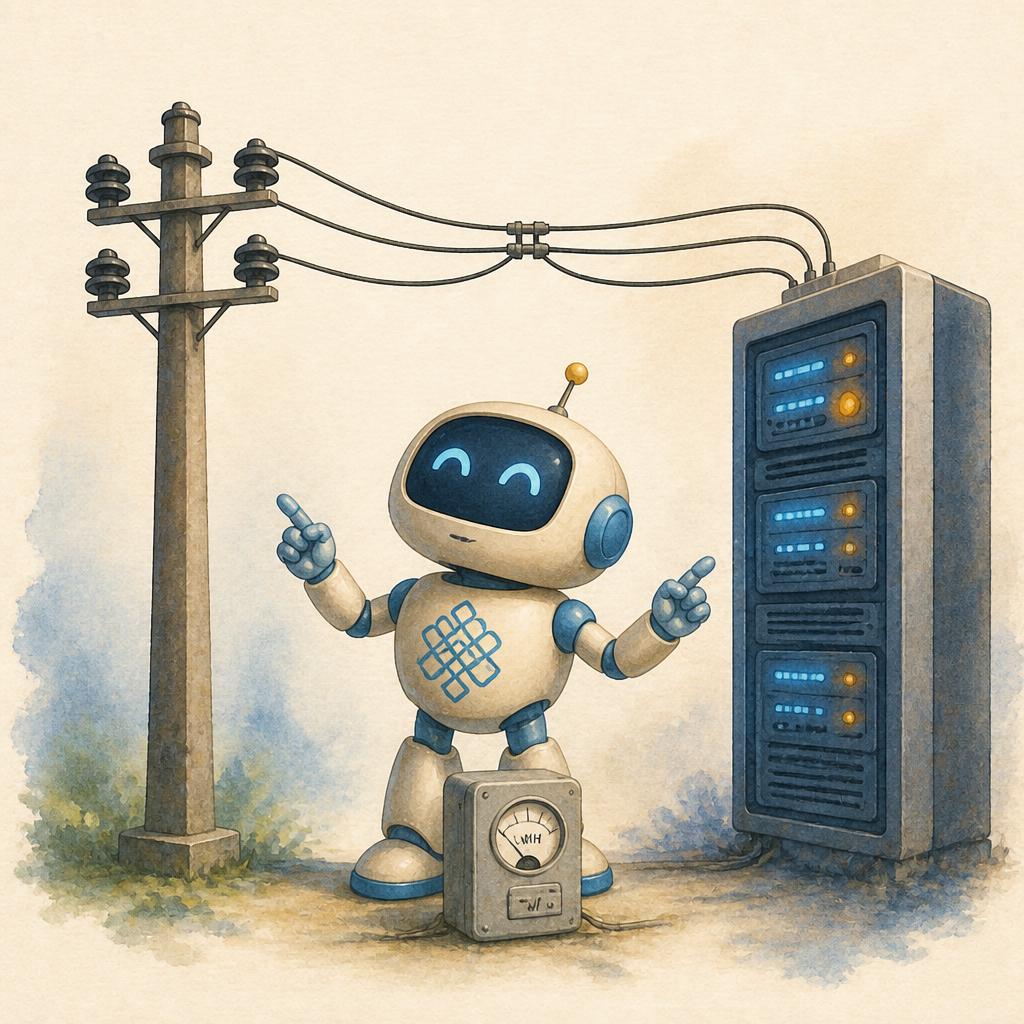
You do not have a power station in your home.
You need electricity to run a fan, a fridge, the lights, to charge your phone. But you do not generate that electricity yourself. A large utility company (in Tamil Nadu, TANGEDCO, commonly called the EB) runs a power plant somewhere, generates electricity, and delivers it to your home through wires.
A meter in your home counts how many units you used. At the end of the month, a bill arrives. The first 100 units are free. After that, each unit costs anywhere from ₹4.50 to ₹7.60, depending on your slab.
Cloud computing works exactly the same way.
A startup needs computers to run a website, host an app, store a database. But it does not need to buy those computers, put them in a room, install AC, supply power, and hire someone to maintain them. A large company (such as AWS, which stands for Amazon Web Services) keeps tens of thousands of computers in a data centre in Mumbai or Hyderabad. A meter counts how much you used. At the end of the month, a bill arrives.
The three big similarities:
- You rent, you do not own: you never bought the electricity, you never bought the computer. You only bought the right to use it.
- A large company runs the infrastructure: TANGEDCO runs the power plant. AWS runs the data centre. You do not have to think about either one.
- You pay for what you use: if your AC runs all day, more units. If your app suddenly gets a lot of users, more cloud bill.
There is one subtle difference. In Tamil Nadu, when your usage crosses a slab boundary, the new rate applies to all units, not just the extra ones. At 400 units the bill might be ₹870; at 410 units it jumps to ₹1,330, because those ten extra units pushed you into a higher slab and re-priced everything. The cloud has its own version of this called "bill shock." If a startup's app suddenly goes viral overnight, next month's cloud bill can be ten times what last month's was.
The three jobs cloud does
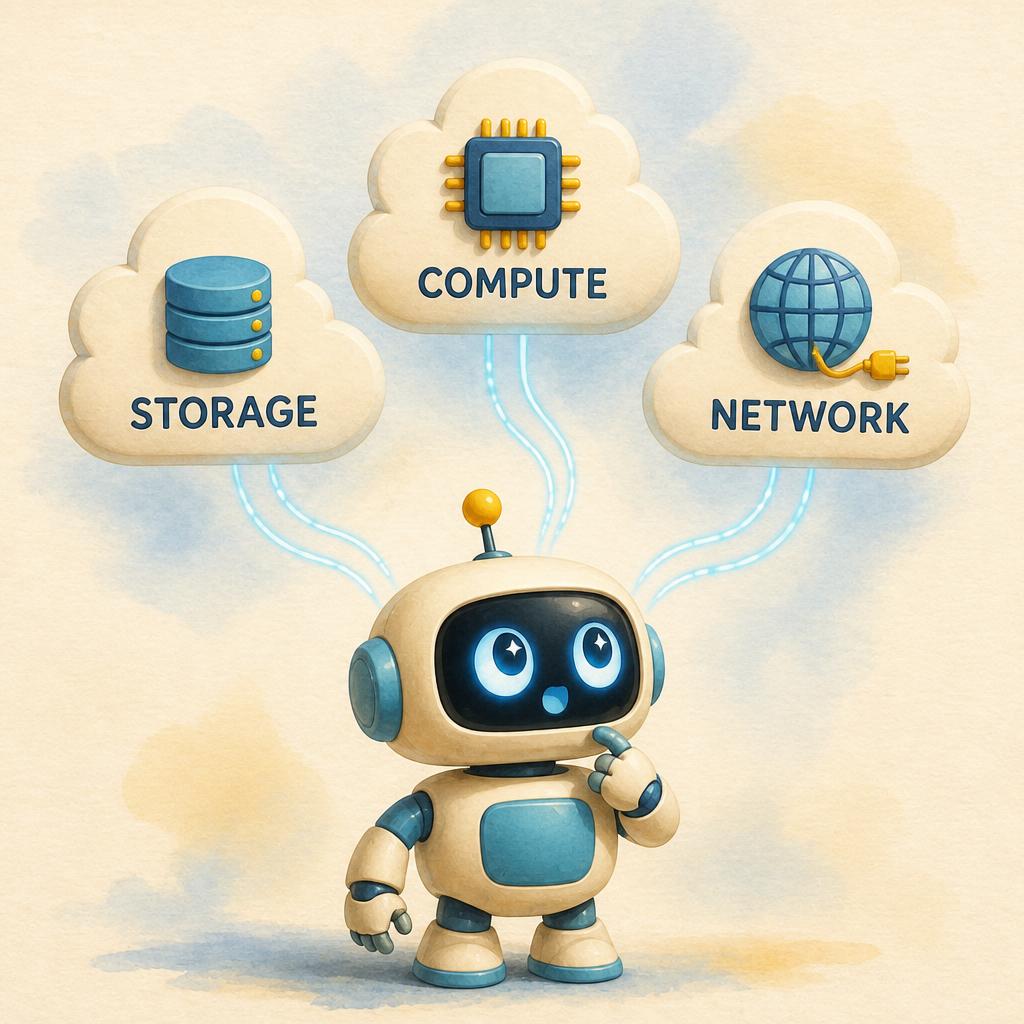
Once electricity reaches your home, what does it actually do?
It runs the fan, it cools the fridge, it powers the lights. One supply, three jobs. Cloud is the same. One infrastructure, three jobs: storage, compute, and network.
Job 1: Storage
Storage means "keeping things." In your home, you store vegetables in the fridge, clothes in the cupboard, gold in the bank locker. In the cloud, storage means keeping photos, videos, documents, database records, anywhere safe and accessible.
Example: Google Photos. The moment you take a photo, it gets backed up to the cloud. If you lose your phone tomorrow, your photos do not go with it. On AWS this product is called S3. On Google Cloud it is called Cloud Storage. On Microsoft Azure it is Blob Storage. Different names, same job.
Storage is billed by the gigabyte. Roughly ₹2 to ₹6 per GB per month, depending on the provider and the storage class.
Job 2: Compute
Compute means "doing calculations and running programs." In your home, the fridge runs continuously, drawing power and cooling the air. It draws electricity to perform a job. In the cloud, compute means a computer running, doing calculations, executing an app, streaming a video.
Example: when you ask ChatGPT a question, somewhere in a large data centre, GPUs (graphics processing units) start running to generate the answer. On AWS this is called EC2 or Lambda. On GCP it is Cloud Run. On Microsoft Azure it is Functions.
Compute is billed by the second of runtime. A second might cost ₹0.0001. An hour might cost ₹50-300. Heavy GPU compute (used for AI training) can be ₹500-2,000 per hour.
Job 3: Network
Network means data in motion.
When you watch a YouTube video, the video travels from a Google server in Mumbai to your phone. When you send a WhatsApp message, it leaves your phone, travels to a server, and gets delivered to your mother's phone from there. Without the cloud, this journey is not possible.
Just as electricity travels through wires to reach your home, data in the cloud travels through internet cables to reach your phone. That is what network does.
What cloud is NOT
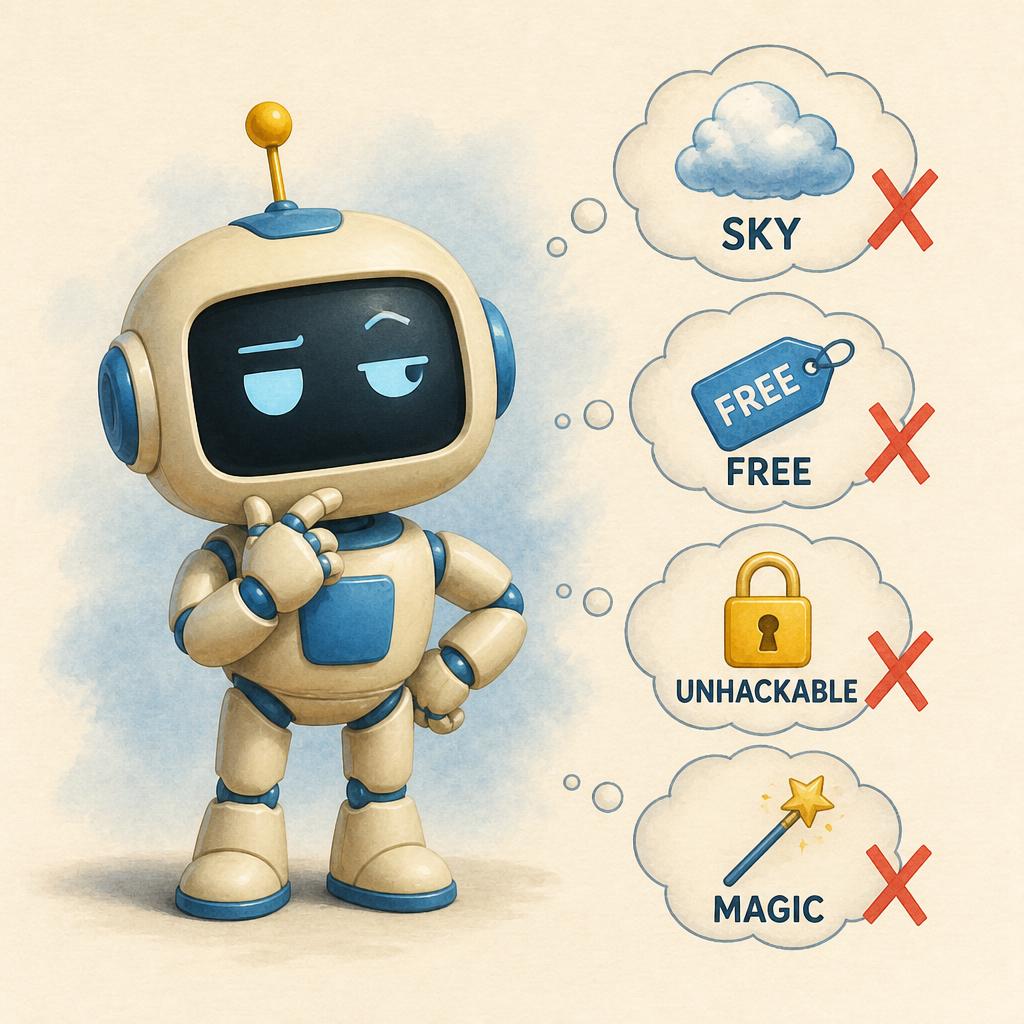
The word "cloud" confuses people. Because "cloud" in plain English means a fluffy thing in the sky. Let us break four big myths right now.
One. The cloud is not in the sky.
"Cloud" is a marketing word. In reality the cloud is thousands of computers in large buildings. Those buildings are called "data centres." AWS data centres in India are in Mumbai and Hyderabad. Google Cloud has them in Delhi and Mumbai. Microsoft Azure has them in Chennai and Pune.
The photo you "uploaded to the cloud" actually lives on a hard disk in Mumbai or Hyderabad. That is all.
Two. The cloud is not free.
Google Drive gives 15 GB free, iCloud gives 5 GB free, AWS gives a 12-month free tier. These are marketing offers. Startups using cloud at scale pay anywhere from ₹1 lakh to ₹50 lakh per month. The same way TANGEDCO gives the first 100 units of electricity free, the cloud gives a certain free allowance. Cross it and the bill starts climbing.
Three. The cloud can be hacked.
Cloud is not magically unhackable. In 2018, the Aadhaar database had a serious exposure. In 2023, one of India's largest health insurance databases was breached. Both lived in the cloud. The cloud provider secures the underlying infrastructure, but your data is secured by your own configuration. Leave default settings exposed, and your data can leak into the public internet.
Four. The cloud is not magic.
The cloud is three things: electricity, computers, and cables. That is it. A power station in Coimbatore generates electricity. It reaches a data centre in Mumbai. The data centre runs computers. The computers connect to your phone through internet cables. At the end of all that, a YouTube video plays. Not magic. Engineering.
The three big cloud companies
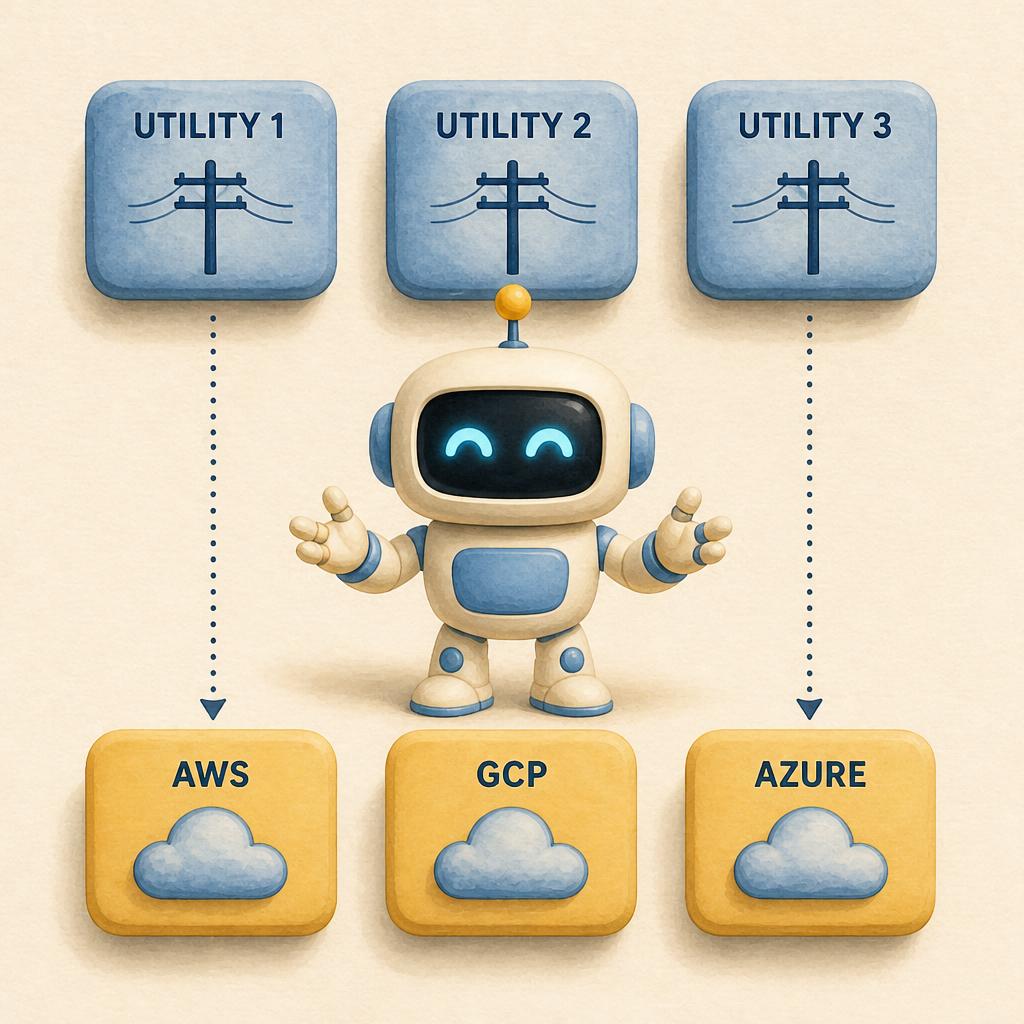
In Tamil Nadu, a home gets electricity mainly from TNEB. The state utility is a near-monopoly for residential supply. But for commercial and industrial use, Adani Power and Tata Power are alternative suppliers.
The cloud market works the same way. Three large companies dominate.
Company one: AWS (Amazon Web Services)
Amazon's cloud business, started in 2006. The oldest and the largest. Roughly 31% of the global cloud market runs on AWS. NPCI, Netflix India, Razorpay, Zerodha, Swiggy: all of them run on AWS.
The TNEB of cloud. Everyone knows it, it works for everyone, but it usually costs slightly more.
Company two: GCP (Google Cloud Platform)
Google's cloud, launched in 2008. Tends to be a bit cheaper than AWS. Strong on engineering (because Google itself runs its own products on it). YouTube, Spotify, PayPal all run on GCP. Indian startups like CRED, Dunzo, and Cure.fit run on it too.
The Tata Power of cloud. Newer, technically strong, slightly cheaper.
Company three: Microsoft Azure
Microsoft's cloud. Strong on enterprise (large traditional companies). Most of the big Indian IT services companies (TCS, Infosys, Wipro) use it heavily. Government projects (UIDAI, Aadhaar-related) have a significant Azure presence.
The Adani Power of cloud. Focused on large buyers, contractual approach.
How are these three different from one another? At a high level, not very. Pricing, regional availability, support, ecosystem: those are the fine details. For a typical startup, AWS vs GCP vs Azure is about 80% the same. The remaining 20% depends on workload. (If you want to go deep, this longer article walks through 12 decision points specifically for Indian fintech.)
This cloud is already in your hand

Take your phone out of your pocket. Look at the apps on the screen.
The cloud is not somewhere else. It is already in your hand. You use it every single day.
Every WhatsApp message you send goes through cloud. Every Google Photos backup is cloud. Every time you check your bank balance, that is cloud. Booking an Uber: cloud. Playing a Spotify song: cloud. Verifying e-KYC with Aadhaar: cloud.
You have already mastered the cloud without anyone telling you. The next time someone says "this lives in the cloud," you will know what they mean: it lives on a server inside a data centre, in Mumbai or Hyderabad or somewhere similar. That data centre draws electricity (just like your home does), runs computers (the same kind you use), and delivers the result to your phone through internet cables.
Not magic. Electricity, computers, cables. That is all the cloud is.